Tropical Island Getaway

Category: Tropical island travel and vacation destinations Guides

  • How to Compare Tropical Island Vacation Destinations

    How to Compare Tropical Island Vacation Destinations

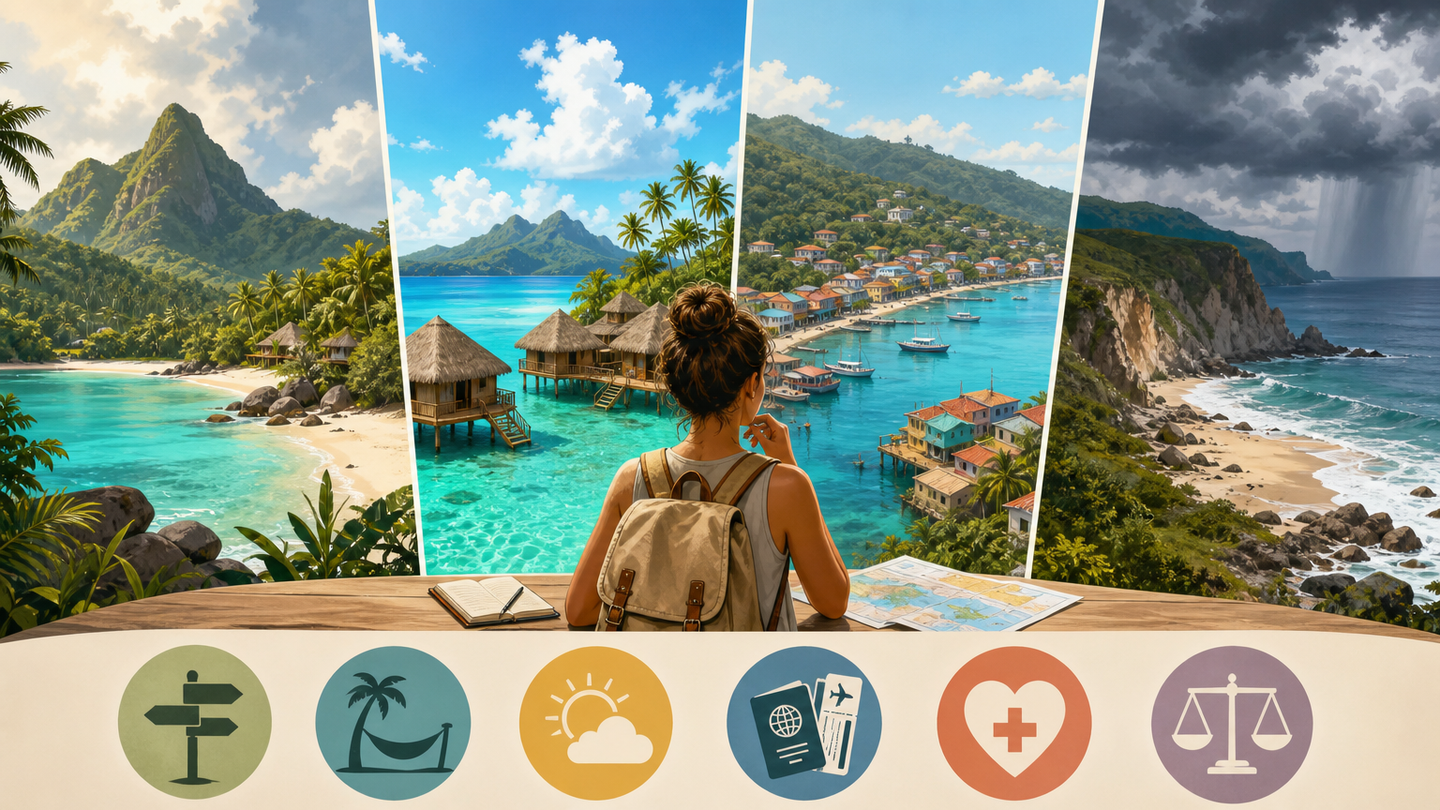
    A tropical island vacation can mean very different things depending on the place you choose. One traveler may want a simple stretch of beach and a quiet routine; another may want a trip built around water activities, local exploration, or a larger island with several areas to experience. The useful question is not which island is “best.” It is which destination makes the kind of trip you actually want practical.
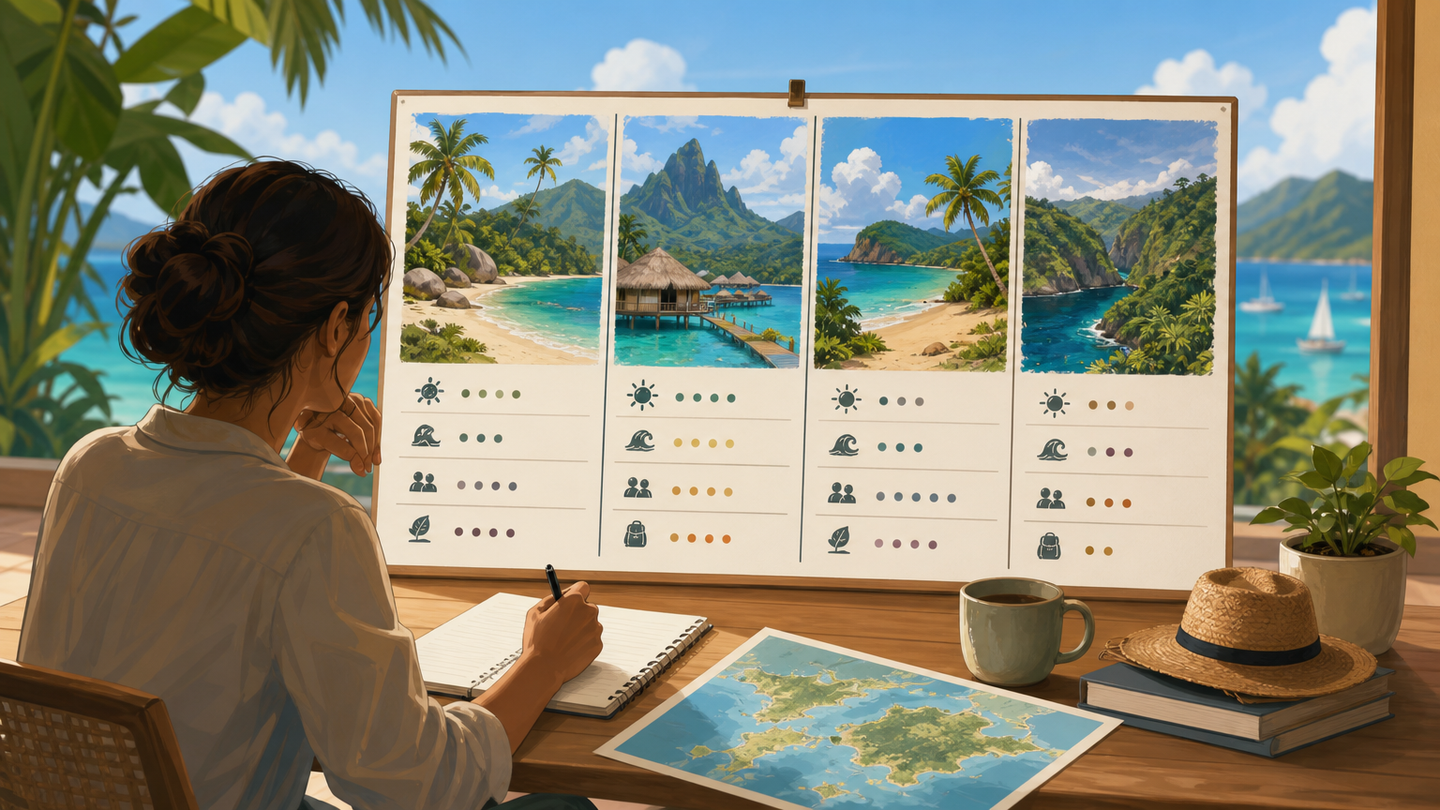
    Supporting editorial scene for How to Compare Tropical Island Vacation Destinations
    How to Compare Tropical Island Vacation Destinations: supporting editorial illustration.

    A good comparison starts by separating the vacation itself from the image of the vacation. Think about how you want your days to feel, how much moving around you are willing to do, and what constraints could affect the trip. That gives you a clearer way to weigh destinations without treating all tropical islands as interchangeable.

    Defining the Alternatives

    Start by putting destinations into broad trip styles rather than trying to rank them. A beach-centered stay suits travelers who want to settle into one area and keep daily decisions limited. An exploration-centered stay fits people who want to divide time among different parts of an island or combine beach time with other outings. A resort-centered trip places more of the vacation within one property, while an independently planned stay may involve arranging more pieces yourself.

    These are not fixed categories. A destination can support more than one style, and the same island can feel very different depending on where you stay. Still, identifying your preferred style helps prevent a common mismatch: choosing a place for its scenery when the rhythm of the trip does not match your preferences.

    Travel distance and the shape of the journey belong in this first comparison. Consider the full travel day, not simply the time you expect to spend on the island. Connections, arrival timing, and the transfer from an airport or port to your lodging can influence how rested or rushed the beginning and end of a vacation feel. If a relaxed trip is the priority, a complicated arrival may be a meaningful tradeoff. If the destination itself is your main priority, a longer journey may feel worthwhile.

    Meaningful Differences to Compare

    The pace of the island

    Ask whether you want a concentrated stay or a vacation with variety built into each day. A smaller or more self-contained setting may appeal when your goal is to slow down. A destination with more distinct areas may suit travelers who prefer changing scenery and choosing among different daily plans. Neither approach is inherently better; the choice is about how much structure and movement you enjoy while away.

    Also consider your tolerance for planning. Some travelers enjoy mapping out transfers, meals, and outings as part of the experience. Others would rather make fewer decisions after arrival. The destination and accommodation style should support that preference instead of fighting it.

    Weather and tropical-cyclone exposure

    Weather is more than a sunshine question. Tropical-cyclone patterns differ by ocean basin, and activity can occur outside official seasonal windows. That means a season label alone cannot tell you exactly what conditions a particular trip will bring.

    When comparing islands, look at the destination’s climate patterns for your intended travel period and think about how much weather disruption you are prepared to accept. A flexible itinerary can absorb changes more easily than a tightly scheduled trip with several connections or limited time on the island. Travelers who need predictability may place more weight on this factor than those who are comfortable adjusting plans.

    Entry, health, and local considerations

    International islands should not be treated as interchangeable simply because they are geographically close. Entry and exit requirements, passport-validity rules, local laws, health considerations, and embassy contact information can differ from one destination to another.

    For U.S. citizens traveling internationally by air, a valid U.S. passport is required to board an international flight departing from or entering the United States. That is only one part of planning, however. Each traveler’s citizenship, route, and destination can affect the complete set of documents and requirements.

    Health planning is similarly destination-specific. Travel health information and defined travel-related risks can vary by destination, so it makes sense to include health needs in your comparison rather than treating them as an afterthought. If one option requires more preparation than another, decide whether the experience you want justifies that added effort.

    Practical Tradeoffs

    Every tropical island choice involves giving up something. A destination that feels appealing because it encourages staying put may offer less reason to range widely. A trip with many possible outings can demand more decisions and more time in transit. A shorter route may leave more energy for the vacation itself, while a longer journey may open up a different kind of island experience.

    Budget is another practical lens, but it works best as a total-trip comparison rather than a single advertised number. List the travel, lodging, local transportation, meals, activities, and the costs that come with getting from arrival point to where you will stay. Then compare the likely shape of the trip each option buys you. This is not about finding a universal bargain; it is about avoiding a destination choice that leaves too little room for the parts of the vacation you value.

    The same approach applies to convenience. A place that puts your preferred beach time, meals, and activities close together may suit a low-effort vacation. A destination that requires more movement can be a better fit when exploration is the point. Be honest about whether logistics sound enjoyable or exhausting to you.

    Making the Decision

    Turn your comparison into a short list of priorities. For example, you might place a calm pace first, then an uncomplicated journey, then weather flexibility. Someone else may put variety, time in the water, and the ability to explore ahead of convenience. Give more weight to the factors that would noticeably affect your enjoyment, rather than trying to score every detail equally.

    Next, test each destination against the trip you can realistically take. How many travel days do you have? Do you want to stay mostly in one place or move around? Would a weather-related adjustment be manageable? Are you comfortable with the preparation involved in an international trip? These questions turn a dreamy comparison into a usable decision.

    The right tropical island destination is the one whose pace, journey, planning demands, and practical requirements align with your priorities. Before booking an international trip, check the destination’s travel advisory, entry and exit rules, passport requirements, local laws, health guidance, and embassy information for your specific plans. With those essentials aligned, you can choose an island for the vacation you want to have—not just the picture that first caught your attention.

    Information may contain errors, omissions, or outdated details. Confirm time-sensitive information with the relevant official or authoritative source.

  • What to Expect on Your First Tropical Island Vacation

    What to Expect on Your First Tropical Island Vacation

    A first tropical island vacation can feel wonderfully simple in your imagination: warm water, bright sand, open-air meals, and nowhere urgent to be. In practice, the best trips still have a little structure behind them. Islands can have distinct entry rules, local laws, weather patterns, health considerations, and transportation rhythms. Understanding those basics before you leave makes it easier to relax when you arrive.

    Supporting editorial scene for What to Expect on Your First Tropical Island Vacation
    What to Expect on Your First Tropical Island Vacation: supporting editorial illustration.

    Before the First Experience: Choose the Kind of Island Trip You Want

    “Tropical island vacation” describes many different experiences. Some travelers want an easygoing stay centered on one beach or resort. Others want to move around, try water activities, visit different parts of an island, or combine several islands in one trip. Start by deciding what you want most from the experience: quiet downtime, nature, swimming, food, exploration, or a balance of all of it.

    That choice affects the pace you should plan. A first trip is often more enjoyable when the itinerary leaves room for slow mornings, changing weather, and the simple pleasure of staying put. An island may look small on a map, yet getting between beaches, towns, airports, docks, and accommodations can take longer than expected. Avoid treating every day as a checklist.

    If you are traveling internationally by air from the United States, a valid U.S. passport is required to board the international flight. Beyond that baseline, documentation and entry requirements depend on the destination and your individual circumstances. Passport-validity rules can matter as well, so do not assume that a passport is sufficient merely because it has not expired.

    What to Expect Once You Arrive

    The most noticeable change is usually the environment. Tropical destinations often mean strong sun, heat, humidity, sudden rain, and a more outdoor-oriented daily routine. Pack and plan for comfort rather than trying to follow a packed sightseeing schedule. Light layers, sun protection, water, and an unhurried attitude go a long way when you are adjusting to a warmer climate.

    Weather is part of island travel rather than an interruption to it. A sunny morning can give way to a passing shower, and rain does not always mean the day is lost. It may be a reason to linger over lunch, rest, or shift an outdoor plan to later in the day. At the same time, tropical-cyclone activity varies by ocean basin and can occur outside the usual seasonal windows. Build flexibility into your plans instead of assuming a calendar label guarantees a particular type of weather.

    You may also notice that the rhythm of an island is different from home. Services, transport, dining, and activities may operate on schedules that feel less immediate than those of a large city. This is not necessarily a problem; it is part of why a tropical vacation can feel restorative. The adjustment is easier when you arrive with realistic expectations and do not leave every meal, transfer, or activity decision until the last minute.

    The sea deserves its own expectations. Water conditions are not identical from beach to beach, even on the same island. Wind, surf, currents, tides, and weather can change the experience quickly. A calm-looking beach is not automatically suited to every swimmer or activity, and conditions can be different on the opposite side of an island. Let local conditions guide your choices each day, especially if you are new to ocean swimming or boating.

    Questions Worth Asking Before You Book

    A few practical questions can turn a vague tropical dream into a trip that fits you well.

    How much movement do I want?

    Consider whether you want one home base or an itinerary with multiple stops. One location can make a first island trip feel calmer and easier, particularly if you want beach time and uncomplicated days. Moving around can add variety, but it also adds transfers, packing, and the possibility that weather or transport timing shapes the day.

    What does this destination require?

    For an international trip, review the destination’s entry and exit requirements, travel advisory, local laws, embassy information, and health guidance. These details are specific to the place you are visiting; do not assume that a neighboring island follows the same rules or has the same conditions.

    Health preparation is similarly destination-specific. Travel health information can identify defined risks for a particular destination, so it is useful to consider it early enough for your plans to be practical. This is especially important when your itinerary includes remote areas, outdoor activities, or more than one destination.

    What kind of vacation am I actually booking?

    A beach-focused stay, a resort-centered stay, and an exploration-heavy island trip each ask different things of a traveler. Think about how you prefer to spend an ordinary vacation day. If your ideal day involves reading, swimming, and a long dinner, choose a plan that protects that ease. If you enjoy being active, leave enough space between activities to account for heat, travel time, and changing conditions.

    What will make me feel comfortable?

    First-time travelers sometimes focus entirely on postcard scenery and overlook the details that support a good trip: arrival timing, luggage needs, the distance between where they sleep and what they want to do, and how much independence they want. There is no universally correct level of planning. The right amount is the amount that lets you enjoy the setting without spending the vacation solving avoidable problems.

    Starting With Confidence

    The appeal of a tropical island is not just its scenery. It is the chance to adopt a different pace: to spend more time outdoors, measure a day by the water and the weather, and let simple pleasures take center stage. Your first visit does not need to include every beach, excursion, or nearby island to feel complete.

    Give yourself permission to have a modest plan. Choose a destination that suits your preferred pace, understand the entry and health considerations that apply to that specific place, and leave room for weather and rest. Once you arrive, the most memorable part may be the unscheduled time—a swim when the water looks inviting, a quiet view after a rain shower, or an evening that asks nothing more of you than to slow down.

    Before finalizing your plans, check the relevant official destination guidance for the requirements and conditions that apply to your trip.

    Information may contain errors, omissions, or outdated details. Confirm time-sensitive information with the relevant official or authoritative source.
  • How to Choose a Tropical Island Vacation That Fits You

    How to Choose a Tropical Island Vacation That Fits You

    A tropical island vacation is more than a search for warm water and a beautiful beach. Islands can offer dramatically different experiences: slow days centered on swimming and reading, active time on the water, a resort-focused escape, or a trip shaped by local culture and everyday island life. The right choice comes from matching the setting to the kind of vacation you actually want.

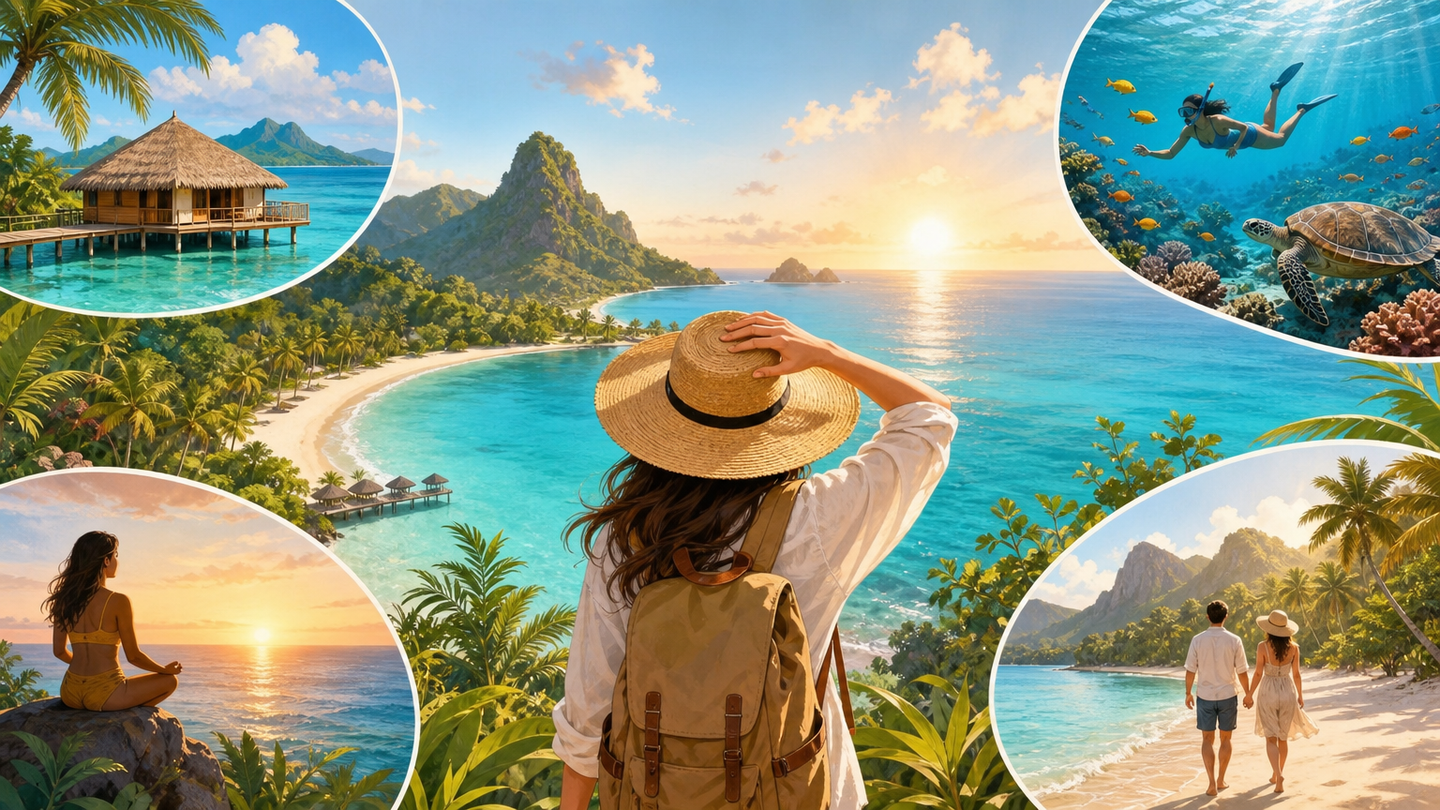
    Supporting editorial scene for How to Choose a Tropical Island Vacation That Fits You
    How to Choose a Tropical Island Vacation That Fits You: supporting editorial illustration.

    Understanding Tropical Island Travel

    The appeal of an island is often its sense of separation. Water defines the horizon, travel tends to move at a different pace, and even a short stay can feel distinct from daily routines. But that separation also affects practical choices. An island may be easy to reach by a direct flight, or it may involve additional connections and water or air transfers. It may feel self-contained around one accommodation, or it may reward travelers who want to move between communities, beaches, and natural areas.

    Start by deciding what “tropical” means to you. Some travelers picture a quiet shoreline and a comfortable place to stay nearby. Others want snorkeling, diving, boating, hiking, markets, restaurants, or a balance of all of them. Neither approach is better, but each points toward a different kind of destination and itinerary.

    Think of the beach as one part of the trip rather than the entire decision. The character of the water matters: calm shallows suit relaxed swimming, while wind, waves, currents, reefs, and boat traffic can change the experience considerably. A traveler who hopes to spend most days in the sea should make water conditions a central consideration, not an afterthought.

    Choosing an Island Vacation for Your Travel Style

    A useful first filter is your preferred rhythm. Choose a stay-focused island vacation if you want to unpack once, minimize decisions, and spend time enjoying the setting. This style works well when rest is the priority and the accommodation itself provides the comfort, food, beach access, or activities you value.

    Choose an exploration-focused trip if variety energizes you. You may prefer an island with multiple areas to visit, a mix of coast and inland scenery, and room for unplanned discoveries. In this case, build in breathing room. Trying to see every beach or fit every activity into a short visit can turn an island escape into a rushed checklist.

    Your travel companions should shape the choice as much as the scenery. Solo travelers may value an easy-to-navigate base and activities that create natural opportunities to meet people. Couples may prioritize privacy, dining, or a peaceful setting. Families often benefit from straightforward transfers, reliable meal options, manageable beach access, and a pace that leaves room for downtime. A group trip works best when expectations are discussed early: one person’s perfect day of doing nothing can be another person’s missed opportunity to explore.

    Accommodation location is one of the biggest levers in the experience. Staying steps from the water can make a beach-centered trip effortless. Staying near restaurants and local activity can make evenings more flexible. A more secluded property may offer calm and privacy, but it can also mean longer journeys whenever you want a change of scene. There is no universally best location; there is only the location that supports how you plan to spend your days.

    Practical Planning for an Island Trip

    Island travel rewards a little extra preparation because logistics can be less flexible than on a mainland vacation. Consider the full journey, not only the main flight. Arrival time, transfer arrangements, baggage limits on smaller connections, and the distance between your lodging and the activities you want can all influence how relaxed the trip feels.

    Weather is another planning factor, but it should be understood as a pattern rather than a promise. Tropical cyclone activity differs among ocean basins, and storms can occur outside commonly recognized seasonal periods. Build a plan that can absorb a rainy afternoon or a change in sea conditions: include a few land-based possibilities, avoid packing every day too tightly, and protect the parts of the trip that matter most to you.

    International island trips also require destination-specific preparation. U.S. citizens traveling internationally by air need a valid U.S. passport to board an international flight. Beyond that baseline, entry and exit rules, passport-validity expectations, local laws, health guidance, and other requirements vary by destination and traveler. Treat nearby islands as separate places rather than assuming that a rule or condition carries across a stretch of water.

    Health and safety planning belongs in the same practical category as packing and transfers. Before departure, review the destination’s travel information, local requirements, embassy contact information, and destination-specific health guidance. This is especially important when an itinerary includes more than one island, since each stop may have different conditions.

    Pack for the trip you will actually take. Lightweight clothing, sun protection, swimwear, and a layer for cool indoor spaces are common starting points, but plans matter more than a generic packing list. Bring footwear appropriate to your likely surfaces, water gear only if it is useful to your activities, and a day bag that makes beach-to-town transitions simple. Keep important documents and essential items accessible during transfers rather than burying them in checked luggage.

    Making the Most of Your Time Away

    The best island itineraries have an anchor, not an exhausting agenda. Pick one meaningful priority for each day: a beach morning, a water excursion, a scenic walk, an unhurried meal, or simply time with no plan at all. That structure gives the vacation shape while preserving the freedom that makes island travel appealing.

    Use the first part of your stay to learn the place. Notice which beach feels best at the time you visit, how long journeys really take, and whether you prefer busy areas or quieter ones. Then let the rest of the trip follow that information. A flexible itinerary often produces more satisfying days than one built entirely before arrival.

    Respect the environment that makes the destination special. Follow local guidance around beaches and water activities, pay attention to changing conditions, and avoid treating the coast as a controlled setting. A beautiful shoreline can still have strong surf, currents, heat, or weather changes that call for sound judgment.

    A good tropical island vacation does not need to look the same for every traveler. It may be a peaceful stay beside the sea, a string of small discoveries, or a carefully balanced mix of rest and activity. Choose a destination around your pace, companions, desired setting, and tolerance for travel complexity, and the experience will feel less like chasing an idealized image and more like time well spent. Before booking, confirm the destination’s current entry, health, safety, and weather information for your exact travel plans.

    Information may contain errors, omissions, or outdated details. Confirm time-sensitive information with the relevant official or authoritative source.